
Professional Mold Removal and Remediation in Logan County ND
Discovering mold in your residence or business can be an overwhelming experience. Whether you noticed dark spots spreading across your basement walls, detected a persistent musty odor that will not go away, or found hidden growth during a renovation project, finding mold raises immediate concerns about your familys health, your propertys structural integrity, and the cost of removing the problem. If you are dealing with mold anywhere in Logan County ND, you are in good company, and there is a proven path forward.
Mold is more than an unsightly nuisance. It is a living organism that spreads microscopic spores into the air you breathe every day. These spores can trigger allergic reactions, worsen respiratory conditions, and in severe cases involving toxic black mold, cause serious health complications for adults, children, and pets. Beyond health risks, mold aggressively breaks down organic materials like wood, drywall, and insulation, compromising the structural components that support your home or business. The longer mold remains untreated, the more widespread and costly the damage becomes.
Harper Mold Services is the reliable mold remediation company serving property owners throughout Logan County ND. Our team combines top-tier IICRC certification with environmentally safe treatment methods and 24/7 emergency availability to deliver prompt, thorough, and permanent mold removal solutions. We understand the pressure and urgency you feel when facing a mold problem, and we are committed to restoring both your property and your peace of mind. If you are facing mold issues anywhere in Logan County ND, contact us now for a professional assessment and immediate support.
Why Choose Harper Mold Removal In Logan County ND?
When you hire a mold remediation company into your residence or business, you deserve complete assurance that the technicians handling your property possess the highest level of training and expertise available in the industry. At Harper Mold Services, every member of our remediation team holds certification from the Institute of Inspection, Cleaning and Restoration Certification, commonly known as IICRC. This credential represents the gold standard in the restoration industry, requiring intensive coursework, hands-on training, and ongoing professional development to maintain active status.
IICRC certification means our technicians are trained in the science behind mold growth, the proper protocols for safe containment and removal, and the advanced techniques required to address contamination without dispersing spores to unaffected areas of your property. When we handle a mold remediation job anywhere in Logan County ND, we follow documented industry standards that ensure consistent, effective results every time. Our certified professionals know how to recognize different mold species, assess the extent of contamination behind walls and under flooring, and determine the moisture sources causing the growth. This expertise allows us to address the root cause of your mold problem rather than simply treating surface symptoms that will inevitably return. Choosing IICRC-certified technicians means choosing accountability, professionalism, and proven competence for one of the most important restoration projects your property may ever require.
Traditional mold remediation often relies on harsh chemical treatments that eliminate mold but leave behind harmful residues that can create health risks for your family, employees, or tenants. At Harper Mold Services, we have invested in cutting-edge eco-friendly mold treatment products that deliver effective antimicrobial performance without compromising indoor air quality or environmental safety. Our green cleaning solutions are formulated to destroy mold at the cellular level while remaining harmless for use around children, pets, and individuals with chemical sensitivities.
Our commitment to eco-friendly mold treatment extends beyond the products themselves. We follow responsible remediation practices that minimize waste, properly dispose of contaminated materials according to Logan County ND regulations, and use eco-conscious equipment throughout the restoration process. Property owners throughout Logan County ND increasingly understand that effective mold removal does not require compromising environmental responsibility. When you choose Harper Mold Services, you receive top-tier remediation results using products and methods that protect both your immediate indoor environment and the broader ecosystem. Our technicians clearly explain our treatment approach so you know exactly what products are being used in your space and why they represent the safest, most effective option for your specific situation.
Mold does not pause for convenient business hours to appear, and neither should professional remediation services. Water damage from burst pipes, flooding, or storm damage can create ideal mold growth conditions within 24 to 48 hours, making quick action essential for minimizing both health exposure and remediation costs. Harper Mold Services maintains around-the-clock emergency availability for property owners throughout Logan County ND because we understand that acting fast can mean the difference between a contained problem and a property-wide contamination event.
When you call our emergency line at any hour of the day or night, you reach a live professional who can dispatch a qualified technician to your location in Logan County ND without delay. Our emergency response teams arrive equipped with the containment supplies, moisture detection equipment, and air filtration systems needed to stabilize your situation and prevent mold from spreading while a comprehensive remediation plan is developed. We know that discovering mold at two in the morning or during a holiday weekend heightens the stress of an already difficult situation. Our 24/7 availability ensures you never have to wait anxiously while mold continues spreading and damaging your property. Emergency response is not an extra service at Harper Mold Services; it is a core commitment to every property owner we serve across Logan County ND.
Navigating insurance claims for mold damage can feel like a daunting task at the exact moment when you have the least time and energy to spend. Policy language differs, coverage limits differ, and documentation requirements can be confusing for property owners unfamiliar with the claims process. Harper Mold Services provides insurance claim assistance to take the stress from your shoulders and help ensure you receive the full coverage your policy provides for mold remediation services in Logan County ND.
Our administrative team has years of experience working with insurance carriers throughout Logan County ND and understands exactly what documentation, photographs, and reports adjusters need to approve and process mold remediation claims. We handle direct communication with your insurance company, submit comprehensive scope-of-work reports, and provide the moisture readings and damage assessments that support your claim. This direct billing arrangement means you focus on your family and property while we manage the paperwork and professional correspondence required to move your claim forward efficiently. Many property owners in Logan County ND are pleasantly surprised to discover how much of their mold remediation costs may be covered when the claim is properly documented and professionally submitted. Let Harper Mold Services work on your behalf while delivering the expert remediation your property requires.
Mold Remediation and Removal in Logan County ND
Mold is a type of fungus that exists inherently in the environment, playing an important ecological role in breaking down dead organic matter outdoors. However, when mold takes hold inside homes and commercial buildings, it becomes a serious threat to both human health and structural integrity. Mold reproduces by releasing microscopic spores that float through the air, undetectable, until they land on surfaces with adequate moisture and organic material to support growth. Once established, a mold colony can spread rapidly, often appearing behind walls, beneath flooring, and inside HVAC systems where it remains hidden until major damage has already occurred.
The health risks associated with indoor mold exposure are widely recognized by medical researchers and public health authorities. Mold spores act as potent allergens, triggering symptoms including nasal congestion, eye irritation, skin rashes, and respiratory distress in sensitive individuals. People with asthma often experience increased symptoms and higher attack frequency when living or working in mold-contaminated environments. Certain mold species, particularly Stachybotrys chartarum, commonly called black mold, produce mycotoxins that can cause more severe health effects including chronic fatigue, persistent headaches, and neurological symptoms. Children, elderly individuals, and those with weakened immune systems face elevated risks from mold exposure, making prompt professional remediation critical for protecting vulnerable household members.
Beyond health concerns, mold actively destroys the materials that form your propertys structure. Mold feeds on cellulose-based materials including wood framing, drywall paper, ceiling tiles, and carpet backing, degrading these components as it grows. Left untreated, mold contamination can compromise load-bearing structural elements, require extensive rebuilding rather than simple cleaning, and significantly reduce property values in Logan County NDs competitive real estate market. The financial impact of postponed remediation almost always outweighs the cost of addressing mold contamination quickly and professionally.
Many property owners wonder whether they can handle mold cleanup themselves using consumer products available at local hardware stores. While small surface mold patches on non-porous materials may be manageable with proper precautions, attempting DIY remediation on extensive mold growth typically makes the problem worse. Disturbing established mold colonies without proper containment spreads enormous quantities of spores into the air, contaminating previously unaffected areas throughout your property. Consumer-grade cleaning products cannot penetrate porous materials where mold grows, leaving hidden growth that quickly returns after surface cleaning. Professional mold remediation involves industry-grade containment barriers, commercial-grade air filtration, and thorough removal of contaminated materials that DIY approaches simply cannot replicate.
Understanding what causes mold growth in properties across Logan County ND helps homeowners and business owners recognize conditions requiring professional attention. Common causes of mold contamination include:
- Leaking pipes inside walls that create persistent moisture invisible from living spaces
- High humidity in basements or crawl spaces where air circulation is limited
- Storm and flood damage common in Logan County ND during severe weather seasons
- Poor attic ventilation trapping moisture and condensation near roof structures
- HVAC condensation issues creating wet conditions in ductwork and air handling equipment
- Wet insulation from roof leaks or exterior water intrusion
- Foundation moisture from improper grading or failed waterproofing systems
The climate and environmental conditions specific to Logan County ND create particular challenges for mold prevention. Seasonal humidity fluctuations cause condensation on cool surfaces as temperatures shift between seasons, while storms frequent in the area introduce water intrusion through roof damage, foundation cracks, and overwhelmed drainage systems. Properties built during certain decades often feature construction methods and materials more susceptible to moisture retention, including inadequate vapor barriers and ventilation designs that hold humid air in wall cavities and attic spaces.
Older properties throughout Logan County ND may contain original plumbing systems approaching the end of their service life, making hidden leaks behind walls an increasingly common source of mold contamination. Similarly, aging roofing materials allow water infiltration during heavy rain events that may go unnoticed until mold growth becomes visible on interior surfaces. Understanding these regional factors helps property owners in Logan County ND remain aware about moisture control and recognize when professional mold inspection is warranted.
Our Mold Remediation Process
At Harper Mold Services, our team follows a end-to-end, systematic mold remediation process developed in accordance with strict IICRC standards and refined through hands-on experience serving property owners throughout Logan County ND. Our approach handles all stages of mold contaminationfrom initial detection through full repairensuring thorough removal while preventing future recurrence. Being informed about what to expect during professional mold remediation alleviates anxiety and allows you to make informed decisions about your property.
Step 1: Initial Contact and Inspection
Your path to mold removal begins the moment you call Harper Mold Services. Our trained intake specialists gathers key information about your situation, including the areas and spread of visible mold, any water damage you have noticed, and any physical symptoms household members may be experiencing. For emergency situations involving active water intrusion or widespread contamination, we prioritize rapid dispatch to begin containment right away.
As part of the first evaluation, our certified technician conducts a detailed visual assessment of your property, examining not only areas where you have noticed mold but also common hiding spots including behind appliances, within storage areas, beneath flooring materials, and inside ventilation systems. We use industry-standard moisture meters and thermal imaging equipment to detect hidden moisture that often signals concealed mold growth. This inspection phase typically takes one to three hours depending on property size and complexity, and concludes with a detailed assessment of contamination scope and proposed action plan. Property owners throughout Logan County ND appreciate our detail-focused approach to initial inspection because accurate assessment at this stage directly impacts the effectiveness of the entire remediation process.
Step 2: Mold Damage Assessment and Moisture Source Detection
Following the initial inspection, we carry out a detailed damage assessment and water source identification to map out the full extent of contamination and uncover the conditions allowing mold to thrive. This phase often involves more invasive investigation, including removing sections of baseboard, cutting inspection openings in drywall, and examining concealed spaces behind cabinets and within wall cavities where mold commonly hides.
Our technicians use professional-grade humidity meters to assess moisture content in building materials, identifying not only actively wet areas but also materials that have absorbed moisture and may support hidden mold growth. Infrared thermal imaging reveals temperature differentials that signal moisture presence behind finished surfaces. Above all, we trace moisture pathways back to their sources, whether plumbing leaks, roofing issues, structural openings, or condensation problems. Effective mold remediation requires resolving the moisture source feeding contamination; otherwise, mold will return regardless of how carefully existing growth is removed.
We provide comprehensive documentation of all findings, including photographs and moisture readings, which assists with both your understanding of the situation and any insurance documentation you may file. Property owners throughout Logan County ND receive comprehensive written reports explaining exactly what we found and the reasoning behind the recommended remediation plan.
Step 3: Containment Using Professional Barriers
Before disturbing any mold growth, our technicians set up industry-standard containment barriers isolating the contaminated area from the rest of your property. Mold remediation inevitably disturbs established colonies, releasing massive quantities of spores that would quickly spread contamination throughout your home without proper containment. Our containment protocols prevent this cross-contamination, protecting unaffected areas and minimizing the overall scope of remediation required.
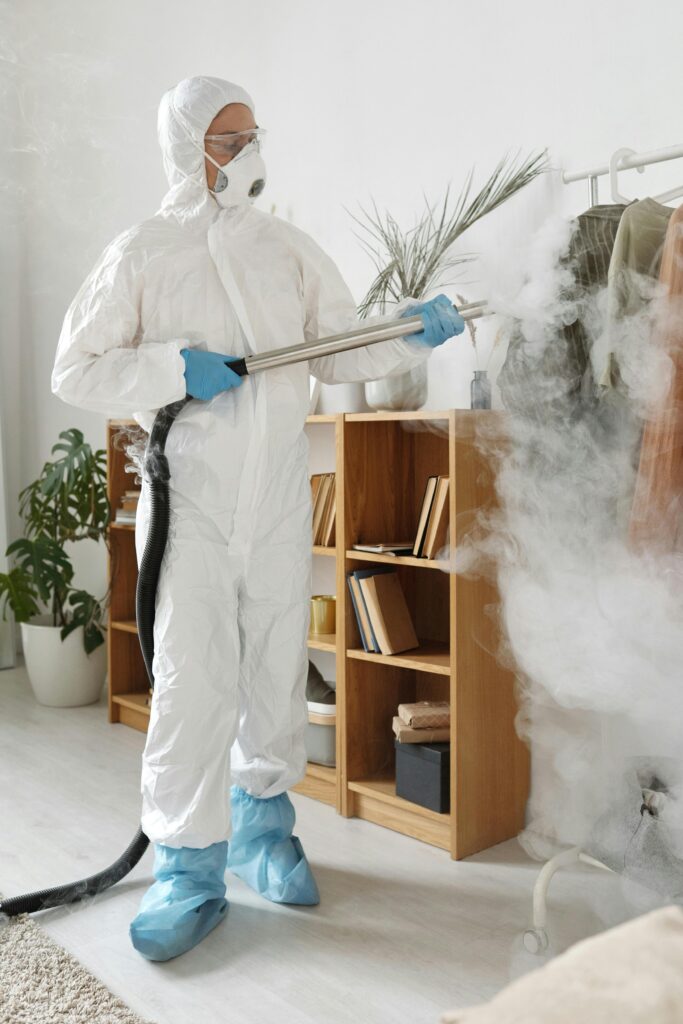
Containment begins with sealing all doorways, vents, and openings connecting the work area to other spaces using thick plastic barriers and specialized tape. We install negative pressure systems that create lower air pressure within the contained space, ensuring that any air leakage flows into the work area instead of out, preventing spores from escaping into clean areas. Technicians working within containment wear full personal protective equipment including respiratory protection, disposable coveralls, and gloves to prevent both personal exposure and spore transport on clothing.
Warning signs and physical barriers keep unauthorized entry from occurring by family members, staff, or pets during active remediation. This containment phase typically requires several hours to establish properly but represents one of the most important investments in successful mold remediation for properties throughout Logan County ND.
Step 4: HEPA Filtration and Air Scrubbing
Air quality management represents a critical component of certified mold remediation that sets apart our services from DIY cleanup attempts. Throughout the remediation process, we run commercial HEPA air filtration devices, commonly called air scrubbers, that constantly filter air within the containment zone. HEPA filters capture particles as small as microscopic sizes with near-total efficiency, effectively removing mold spores from the air before they can resettle or spread to clean areas.
Our air scrubbing equipment runs continuously during all remediation activities and often continues running for extended periods after active work concludes to remove residual airborne spores. The number and type of air filtration equipment deployed depends on the size of the contaminated area and the severity of mold growth. For larger contamination events in properties throughout Logan County ND, we may deploy several commercial air scrubbers, creating high-volume air exchanges per hour within the work zone. This commitment in air quality management safeguards both our technicians and your property, ensuring that remediation activities leave your air cleaner rather than spreading contamination.
Step 5: Removing Mold-Damaged Materials
Physical removal of mold-contaminated materials represents the cornerstone of successful remediation. Unlike basic wipe-downs that leave mold roots intact within porous materials, our removal process eradicates contamination completely by safely removing affected building components. Our certified technicians carefully remove mold-damaged wallboard, insulation, carpet, carpet padding, ceiling tiles, and other porous materials, extending past what can be seen to ensure total mold elimination.
Removed materials are carefully bagged within the containment zone using thick plastic bags that prevent spore release during transport. All removed materials are disposed of in accordance with applicable Logan County ND regulations governing construction debris and contaminated materials. For structural elements like wood framing that cannot be easily replaced, we use professional treatment methods including sanding, wire brushing, and the application of antimicrobial sealants to remediate contamination while maintaining structural integrity.
Our technicians record all materials removed with photographs and detailed measurements, providing complete records of the remediation scope for your records and insurance purposes. Property owners throughout Logan County ND value our methodical approach to material removal because incomplete removal is the primary reason mold reappears after remediation.
Step 6: Deep Cleaning and Antimicrobial Treatment
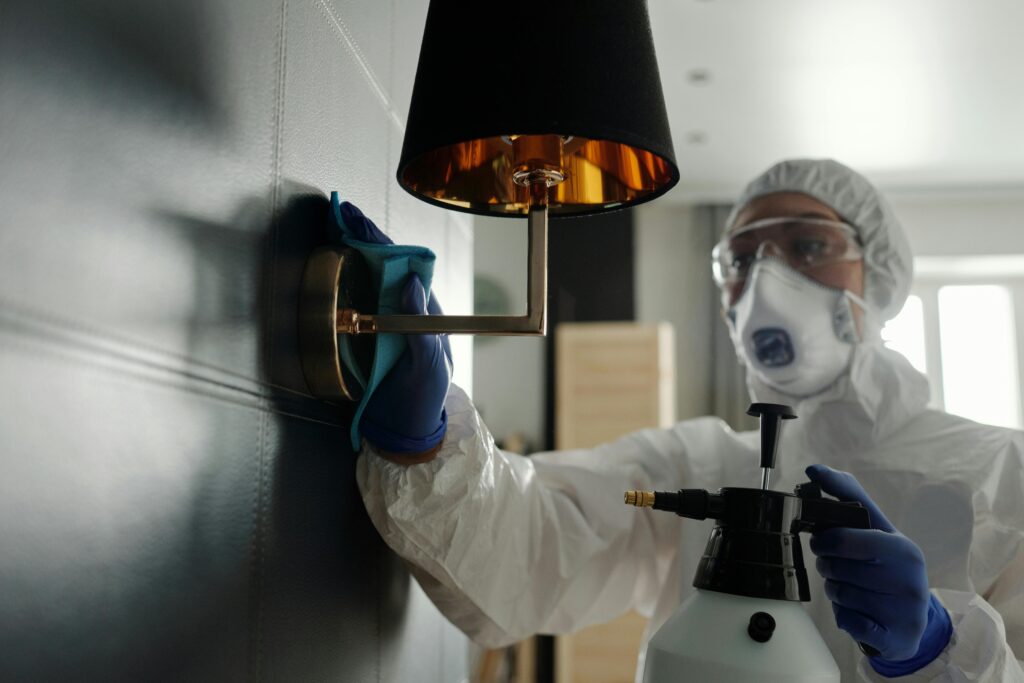
Following material removal, we conduct comprehensive cleaning of all remaining surfaces within the containment zone to eliminate residual mold spores and prevent recontamination. This cleaning process uses commercial-grade vacuum equipment with HEPA filtration to remove surface particles, followed by wet wiping with professional antimicrobial solutions. Our eco-friendly treatment products destroy mold at the cellular level while remaining safe for indoor environments where families and pets will return.
Every exposed surface including wall framing, subflooring, salvageable drywall, and other structural components receives thorough antimicrobial treatment. We pay close attention to irregular surfaces, corners, and tight spaces where spores commonly collect and cleaning is often overlooked. For properties experiencing lingering musty odors, we deploy specialized equipment including hydroxyl air treatment systems and thermal fogging systems to neutralize odor-causing compounds throughout the affected space.
This deep cleaning phase often takes longer than material removal but guarantees that your remediated space is truly clean rather than simply looking clean on the surface. Property owners throughout Logan County ND can expect a dramatically cleaner indoor environment following this thorough cleaning and treatment process.
Step 7: Final Restoration
Mold remediation concludes with the restoration of your property to its pre-contamination condition. Depending on the scope of material removal required, restoration may range from minor repairs like replacing sections of drywall and repainting to larger-scale rebuilding involving new flooring installation, cabinet installation, and structural repairs. Harper Mold Services offers full-service restoration services so property owners throughout Logan County ND can work with one trusted provider from initial mold discovery through project completion.
Our restoration team coordinates directly with the remediation crew to ensure a smooth transition from cleanup to rebuilding. We use mold-resistant materials where appropriate, upgrade ventilation in previously problematic areas, and correct the underlying conditions that allowed mold to develop initially. All restoration work meets applicable building codes and construction standards, and we provide detailed documentation of completed repairs for your records and insurance purposes.
Our goal is not just restoring your property but returning it to a condition better than before mold contamination occurred, with targeted upgrades that reduce future mold risk. Property owners throughout Logan County ND often report that completed restoration projects exceed expectations, transforming affected areas into clean, livable spaces for their families or businesses.
Frequently Asked Questions About Mold Removal
A frequent question we hear from property owners throughout Logan County ND is if DIY mold cleanup is safe. The answer varies with the extent and location of the mold contamination. Very small mold patches on non-porous surfaces like tile, glass, or metal can sometimes be removed safely using proper safety measures, including masks, gloves, and proper ventilation.
However, mold larger than 10 sq. ft., any mold on porous materials like drywall or carpet, mold in concealed locations like wall cavities, or mold caused by sewage or water damage requires professional remediation.
Attempting to clean significant mold growth without professional containment and specialized equipment typically spreads spores throughout your property, turning a localized problem into whole-house contamination. Additionally, household cleaners cannot reach deep into absorbent surfaces where mold roots itself, meaning mold will likely return quickly.
Professional remediation provides containment, air filtration, thorough material removal, and antimicrobial treatment, ensuring a permanent solution. When in doubt about whether your mold situation needs certified remediation, call us today for a free assessment. We would prefer to advise that DIY is sufficient than have you attempt cleanup that could worsen the situation.
Concerns about toxic black mold, also called Stachybotrys chartarum, are common among property owners who notice mold. However, visually identifying black mold is more complicated than many assume. While this species typically appears dark green to black with a distinctive slimy texture when wet, many other common mold species, including Cladosporium and Aspergillus, can also appear dark-colored. Conversely, Stachybotrys can sometimes appear grayish or greenish depending on environment and age.
The only reliable way to confirm the exact species is through lab testing of samples collected from your property. If you are concerned about black mold, Harper Mold Services can take samples during our assessment and submit them to accredited labs for species identification.
However, we generally advise property owners throughout Logan County ND that all visible mold should be professionally remediated regardless of species, since mold in general can harm health and damage property. Prompt professional remediation rather than waiting for laboratory results typically produces better outcomes for both the condition of your property and the health of those living or working in the space.
Yes, mold growth typically produces distinctive odors that homeowners and business owners often notice before seeing visible contamination. Mold growth activity release MVOCs that create musty, earthy, or stale odors frequently compared to wet cardboard, damp wood, or rotting leaves. These odors often become more noticeable during periods of high humidity when mold is most active and may be most noticeable in enclosed spaces like closets, basements, or rooms with poor ventilation.
Importantly, mold odor without visible growth often indicates hidden contamination behind walls, beneath flooring, or in hidden areas. If you notice persistent musty odors in your property that cleaning does not eliminate, it is time to call a certified mold professional to identify and address possible hidden mold growth. Our technicians throughout Logan County ND use advanced moisture meters and investigative techniques to pinpoint mold colonies when odor is present but contamination is not visible. Never ignore ongoing musty odors, hoping they will disappear; they typically signal an active mold problem that needs expert remediation.
Coverage for mold cleanup can differ greatly depending on the details of your insurance policy, the origin of contamination, and how your insurer handles claims. Most homeowners policies in Logan County ND cover mold remediation when contamination results from a sudden, accidental event such as burst pipes, storm-related water intrusion, or appliance failures. However, mold resulting from ongoing maintenance issues like persistent plumbing problems, inadequate airflow, or improper moisture control may not be covered because it is considered avoidable through proper property maintenance.
The records submitted with your claim significantly impacts coverage decisions. This is why Harper Mold Services provides detailed inspection reports, moisture readings, photographs, and scope-of-work documents that demonstrate the source and extent of mold and outline required remediation. Our direct insurance billing support includes coordination with your adjuster to answer technical questions and provide professional documentation.
We recommend notifying your insurer as soon as possible after discovering mold to start the claims process prior to remediation, and we are happy to coordinate with your adjuster throughout the process. Call us today if you have questions about how your policy may cover mold remediation in Logan County ND.
Mold remediation timelines varies significantly including the extent of contamination, the types of materials affected, moisture source complexity, and the scope of restoration required. Minor mold infestations affecting limited areas may be completely remediated within two to three days. More extensive contamination involving multiple rooms, concealed mold, or critical building elements typically requires 714 days from initial containment through completed restoration.
The remediation procedure takes time without reducing effectiveness. Proper containment establishment takes time, thorough material removal must extend beyond obvious mold, antimicrobial treatments require appropriate dwell time, and restoration work follows typical building schedules. Property owners throughout Logan County ND sometimes feel urgency to complete remediation quickly, particularly when displacement from contaminated areas creates inconvenience. We understand the need for speed but prioritize quality, but we will not compromise remediation quality for speed. During your initial inspection, we provide estimated timelines specific to your situation so you can plan accordingly.
Mold absolutely spreads throughout properties when conditions allow, which is why prompt professional remediation is so important. Mold spreads through tiny spores that move through the air, ventilation systems, and can hitch a ride on clothing, shoes, and pets. Once spores land on surfaces with adequate moisture and organic material, a new mold colony can form and start expanding. A localized mold issue can become a whole-house contamination event within weeks if underlying moisture issues persist.
Handling mold without containment can significantly increase its spread. This is why we strongly discourage attempting to clean significant mold growth yourself, and why certified remediation always starts with proper containment. Our HEPA filtration and sealed containment prevent spores from migrating, ensuring that cleanup activities do not spread your mold problem to previously unaffected areas. If you have seen mold growth in one spot, inspection of other areas is warranted to assess whether spread has already occurred.
Contact Us Now
Dont wait if you notice mold in your Logan County ND home or commercial property. Mold contamination worsens with every passing day, increasing both health risks and remediation costs. The dark spots on your walls, the musty smell you cannot eliminate, and the respiratory symptoms that improve when you leave the building all deserve immediate professional attention.
Harper Mold Services proudly supports property owners throughout Logan County ND with certified, experienced, and compassionate mold remediation services. Our IICRC-certified team is available around the clock, applying advanced, eco-friendly remediation techniques to every job. From initial inspection through complete restoration, we guide you through every step of the remediation process while handling insurance documentation and providing clear communication about your project timeline and expectations.
Contact us now for expert mold remediation anywhere in Logan County ND. Our team is ready to restore your property and your peace of mind.
